
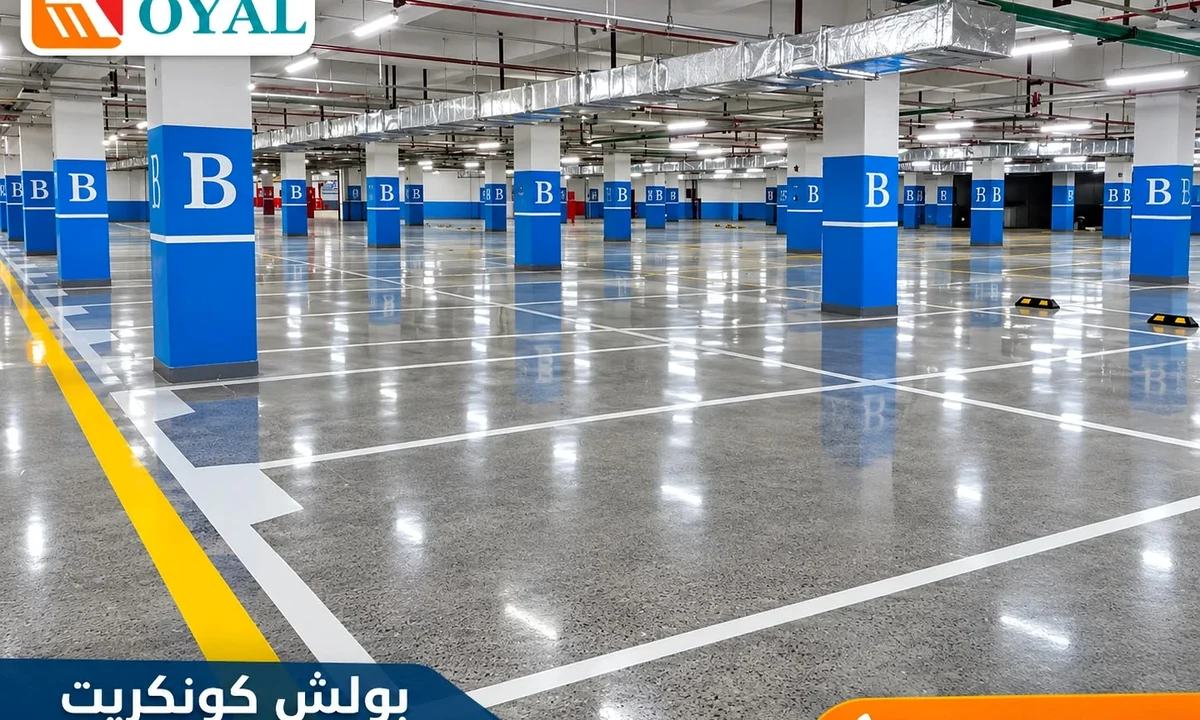
Industrial flooring directly affects daily operations. Surface condition influences cleaning, equipment movement and the overall condition of the facility.
Easier cleaning
A smoother, denser concrete surface has less roughness to trap dust and dirt, which can support more efficient routine cleaning.
Reduced surface dust
Weak concrete can generate dust as the surface deteriorates. Proper treatment and densification can reduce this issue when the slab is suitable for rehabilitation.
Forklift movement
Flatness and smoothness matter to material-handling equipment. A more even surface can reduce vibration caused by raised or rough areas.
Light reflection
Polished surfaces reflect more light than rough concrete and may help a large industrial space appear brighter and cleaner.
Tyre marks and contamination
Maintenance performance depends on the contaminant and cleaning system, but a properly refined surface is generally easier to care for than weak, porous concrete.
Safety
Finish selection must consider wet areas, oils and vehicle traffic. Slip resistance is not a fixed value for every floor, so actual operating conditions should be assessed.
The bigger picture
A better work environment depends on more than gloss. Slab condition, flatness, cleaning, spill management and timely joint and defect repair all matter.