
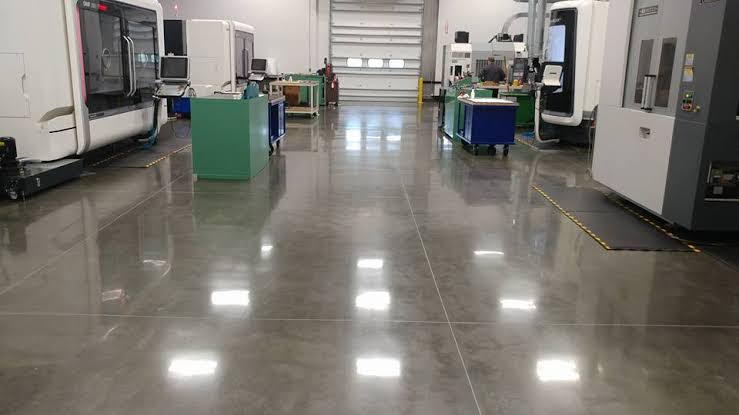
Joint damage may start at an edge and worsen under repeated equipment traffic. Record the condition and identify joint purpose before specifying repair. Not every crack or gap is a designed joint.
Recognise the signs
Note broken edges, missing filler, level changes or vibration at crossing points. Identify whether damage follows particular routes. Close-up and wider photographs provide context.
Understand recurrence
Movement, loading, concrete condition or incompatible treatment can affect repair performance. If the cause remains, failure can return. Settlement and unexplained cracking need specialist assessment.
Preserve the joint function
Construction, contraction and movement joints have different requirements. Specifications should define preparation, repair and filler materials, and reopening conditions.
Plan isolation
Arrange alternative routes before removing weak material. Handover follows repair-product instructions and expected loads. Phased work needs safe access and isolation.
Prepare for inspection
Provide affected length, equipment details, repair history and signs of water or contamination. Photographs help but cannot establish a structural diagnosis alone.
Discuss your floor with Royal
Share the area, location, photographs and operating requirements. Call 01013505025 or 01015508835 to discuss assessment and an appropriate scope.